πŸ•DogsHub ✦ phyrenix.com
✦ 16 DOG TOOLS · FREE INSTANT ANSWERS

Dog answers that keep tails wagging.

Dog-years age done honestly, daily food portions, puppy schedules, exercise needs, vet-cost budgets, insurance maths and warm practical guides β€” ask a dog question and get a straight, careful answer in seconds. The full detailed report costs less than a cup of coffee: $2.95.

16 toolsFree instant local answers β‰ˆ one coffee ($2.95) for the full reportNo sign-up Β· No spam Β· Educational

Lost Dog Prevention: ID, Microchips & the First Hours

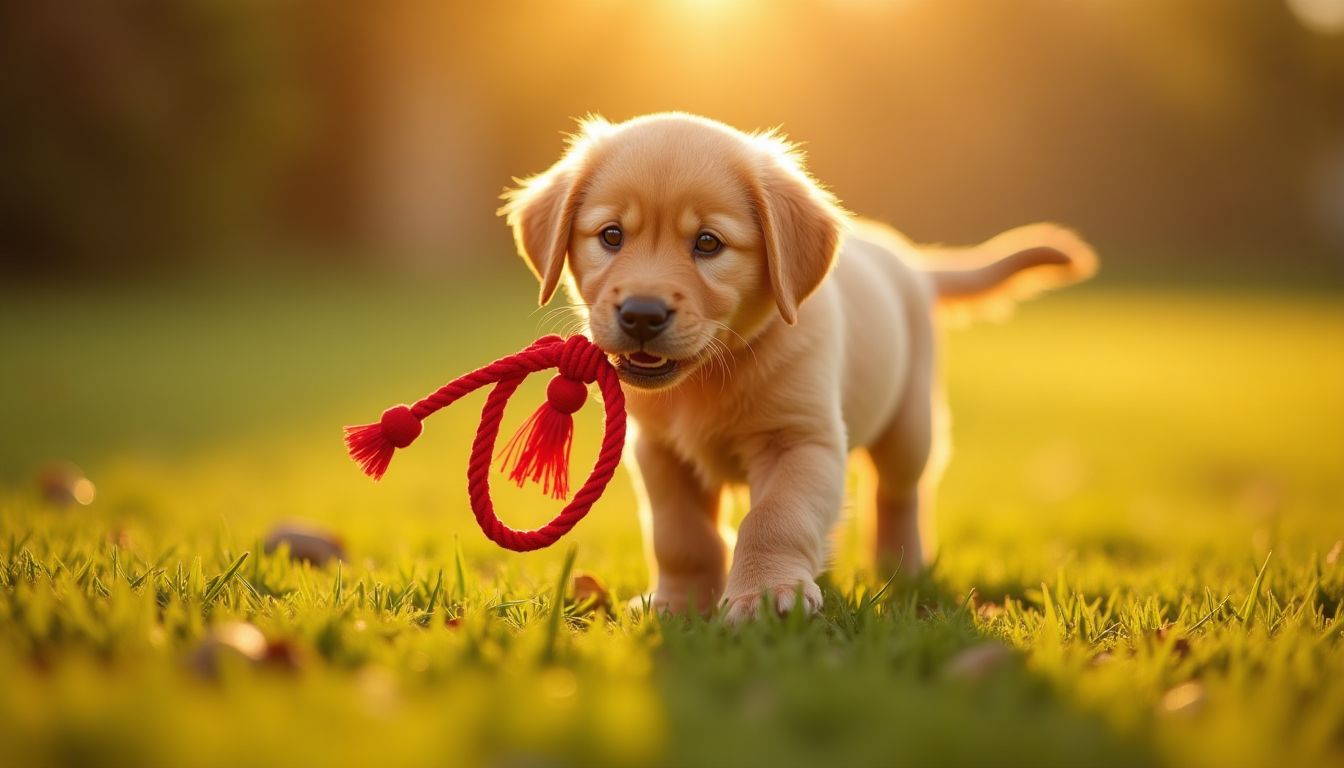
A small golden puppy holding a red rope toy on a sunlit grassy lawn at golden hour with long warm shadows β€” puppy training and play guide

The day a dog goes missing is the day every owner wishes they had done three small things earlier β€” and this guide is built so you do them now. Prevention is three ID layers (a collar tag with your phone number, a microchip registered with current details, and a GPS tracker for escape artists) plus the routine habits that close the common escape routes: open gates, fence gaps and doors opened for deliveries. And for the worst case, the guide lays out the first-hours action plan in order β€” search the immediate neighbourhood calmly first, because most lost dogs are found close to home β€” then the dawn-and-dusk searches, the local lost-pet networks, and the shelter and vet calls that reunite most microchipped dogs.

⚑ Free instant check

Practical prevention and a calm action plan for the worst day of dog ownership β€” the ID layers that bring dogs home, and exactly what to do in the first hours if one goes missing.

Answer 0-10 (10 = the stronger end for every question β€” no wrong answers). Your answers stay on this device β€” nothing is stored.

Mostly home β€” 5 β€” Weekly outings
Rarely β€” 5 β€” Daily, short and fun
Chaotic β€” 5 β€” Solid routine
Not yet β€” 5 β€” Fully proofed

Why it matters

  • Most 'lost' dogs are found close to home within hours: the priority is a calm, organised search of the immediate neighbourhood before panic-scattering flyers everywhere.
  • Three ID layers beat one: a collar tag with your phone number, a microchip registered with current details, and β€” increasingly β€” a GPS tracker for escape artists.
  • The most common escape routes are open gates, gaps under fences, and doors opened for deliveries; the most common 'escape triggers' are fireworks, thunder, and the front door opening during a party.
  • A lost dog that is frightened will hide rather than come when called: searching parks and trails at dawn and dusk, and posting to local lost-pet groups, reaches further than running around shouting.
  • Shelters and vets scan every found dog for a microchip β€” but only if the chip is registered with your current phone number, which most owners forget to update after moving.

Your checklist

  • Fit a collar with an ID tag (phone number, not just a name) and keep it on at all times.
  • Microchip your dog and β€” the part everyone forgets β€” keep the registration details current.
  • Consider a GPS tracker if your dog is a known escape artist or lives near busy roads.
  • Walk the fence line monthly: check for gaps, dig spots and weak panels.
  • Create a door-and-gate rule: nobody opens the front door until the dog is behind a closed inner door.
  • Take two good recent photos (full body and face) and keep them on your phone.
  • Have a plan ready: vet and shelter numbers saved, and local lost-pet groups joined before you need them.

❓ Lost Dog Prevention: ID, Microchips & the First Hours β€” FAQ

What should I do in the first hour my dog goes missing?

Search the immediate neighbourhood calmly and methodically first β€” most lost dogs are found within a few hundred metres and within hours. Then alert neighbours, post to local lost-pet groups with two good photos, and call local shelters and vets to report the dog and leave your details.

What ID gives a lost dog the best chance?

All three layers: a collar tag with your phone number (the instant find), a microchip registered with current details (the shelter safety net β€” only if the registration is up to date), and a GPS tracker for known escape artists. Each layer covers the failure mode of the others.

Why do dogs run off during fireworks and storms?

Fear. Loud noises and pressure changes trigger flight behaviour in dogs that are perfectly calm the rest of the year, and a panicked dog bolts through gaps it would never normally take. Walk them earlier on firework nights, keep them inside and occupied, and double-check gates and fences before celebrations.

πŸ• All dog tools

Every tool answers instantly from our own knowledge and calculators β€” no AI wait, no account. Honest estimates built on widely used dog-care rules of thumb, always warm, practical and educational β€” never a substitute for your vet. If your dog is unwell, injured or behaving oddly, ask a vet: we signpost, we never diagnose. Want the deeper, personalised version? Each has a $2.95 full report.

πŸ– Feeding & Everyday Care
🐾 Puppies, Training & Play
🧾 Costs & Big Decisions
Educational information only β€” not veterinary advice, and never a guarantee of health or outcomes. Every dog is different: breed, age and health vary, and anything medical belongs with your vet. Refunds honoured.
Β© 2026 Dogs Hub Β· part of the phyrenix.com network Β· WebMCP manifest Β· tools.json
Explore Dogs: Guides